PVC is still a widely used material in many industrial and consumer sectors, but it has increasingly difficult-to-ignore limitations: risk of phthalate migration, a rigid tactile feel, and poor recyclability.
Franplast TPE-S represents today the concrete and superior alternative: inherently phthalate-free, with a natural soft-touch effect, easily recyclable and compliant with major international regulations. In this article, we compare the two materials across five key dimensions — safety, haptics, versatility, sustainability, and costs — to help you make the right choice for your project!
 TPE-S vs PVC: safety and absence of phthalates
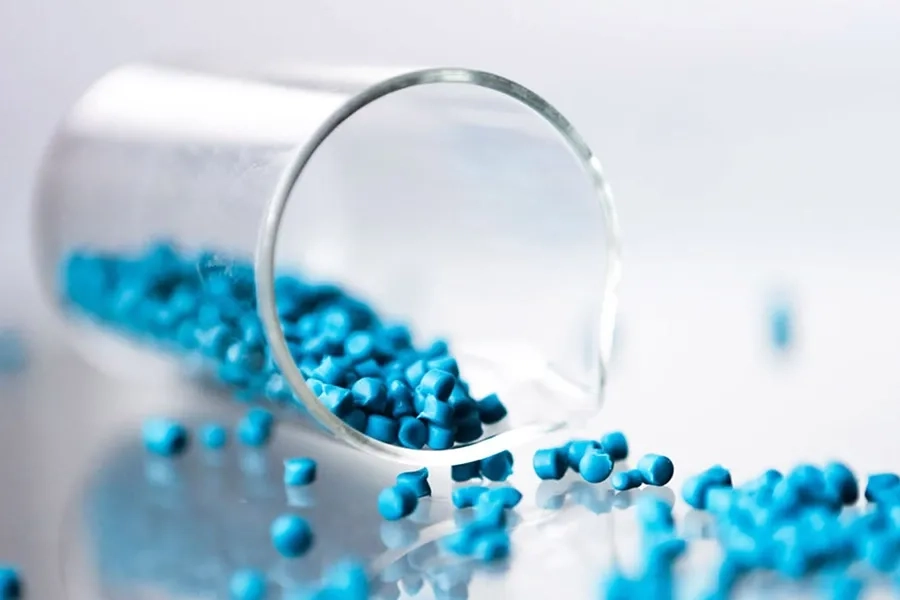
PVC can contain phthalates and requires complex precautions to reduce the risks of migration to skin, mucous membranes, and other materials in contact. Franplast TPE-S is instead inherently free of phthalates, which translates to no migration risk. Our compounds comply with major international chemical safety regulations, including REACH, RoHS, and the European directives applicable to various sectors of use.
Soft-touch effect: why TPE-S is more pleasant to the touch than PVC
PVC has a rigid and “plasticky” feel, not very pleasant to the touch. TPE-S offers a natural soft-touch, a pleasant and less artificial tactile sensation — ideal for ergonomic surfaces, grips, components in direct contact with the user, and premium products in any sector. Where the tactile experience is part of the perceived value of the product, this difference translates into a concrete and measurable competitive advantage.
 Versatility and design: more design freedom with TPE-S
PVC has significant limitations in terms of hardness range, available colors, and compatibility with advanced molding techniques. Franplast TPE-S offers:
- A wide range of customizable hardnesses
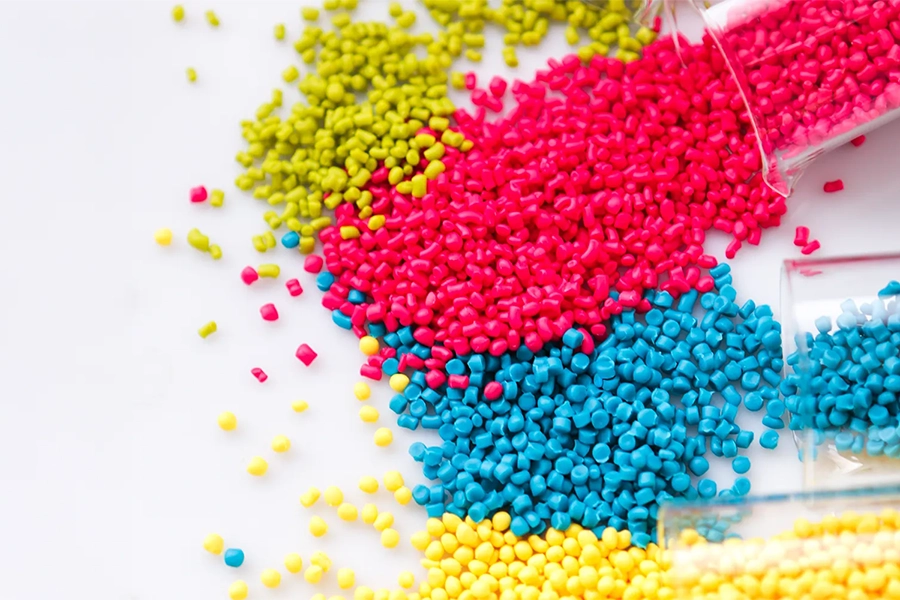
- Bright colors that can be customized to client specifications
- Full compatibility with 2K molding (bi-injection) on rigid substrates, such as PP, ABS, PC and coextrusion
This flexibility allows designers to create more complex and functional components, with perfectly integrated soft and rigid parts.
TPE-S and sustainability: recyclability and lower material consumption compared to PVC
PVC is perceived as an “old” and poorly recyclable material, with an environmental impact that is increasingly difficult to justify to clients and consumers. TPE-S is recyclable, eco-friendly, and fully compatible with circular economy principles. Thanks to an average density 30% lower than other traditional plastic materials, it also allows a reduction in the material used per unit of volume — less weight, less waste, same functional performance.
 Costs and processability: is TPE-S really more cost-effective than PVC?
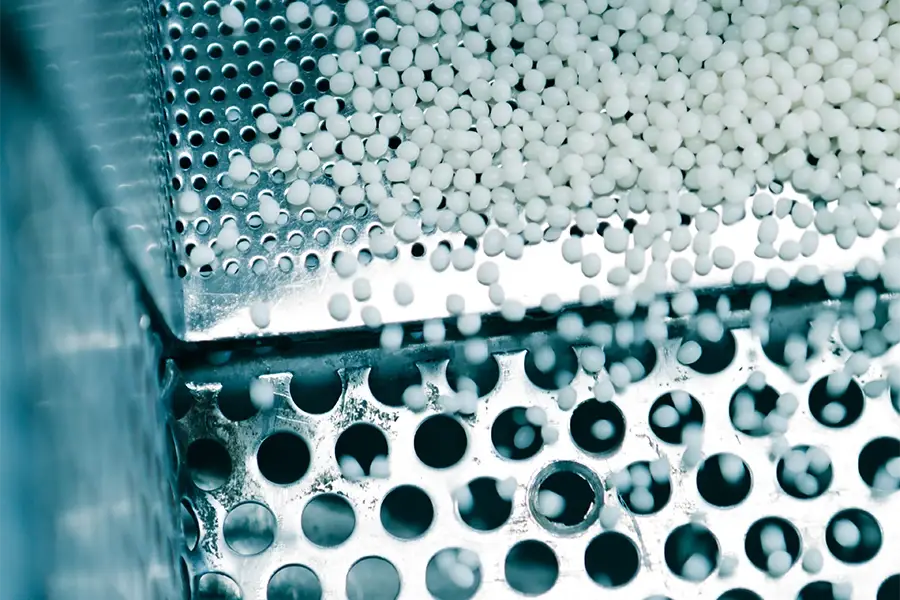
PVC requires complex treatments, longer molding cycles, and greater attention in waste management. TPE-S is easy to process with standard thermoplastic machinery, guarantees faster cycles, and a simpler, more efficient scrap management. Despite having an average cost per kilo higher than PVC, the lower density (and therefore the lower amount of material needed per volume) and the reduction in cycle times make TPE-S competitive in terms of total production cost.
Choosing Franplast TPE-S means transforming a constraint into a competitive advantage. In a market increasingly attentive to the quality of the user experience and environmental responsibility, TPE-S is not just an alternative to PVC — it is the material of the future!